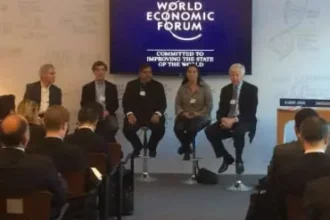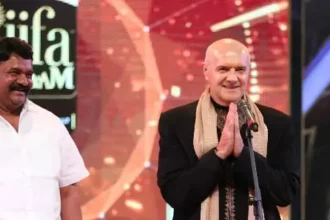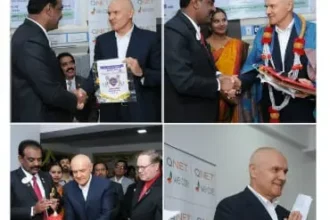



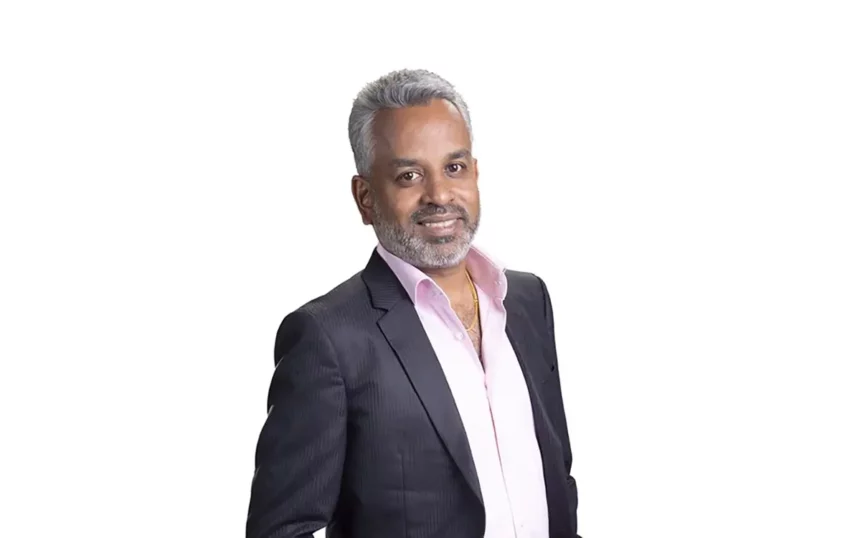
In this edition of QNETPRO Talks, V Partner Sathi Senathirajah talks about his views on Loyalty, Love, and Service, which are the core values of QNET. The middle child of a close-knit family, V Partner Sathi Senathirajah is the brother of V Partner Kuna Senathirajah. He is known for his silent and strong ways and says that consistency is the key to his success. Let’s hear what V Partner Sathi Senathirajah has to say.
- Having been here for so long, what does loyalty in QNET mean to you?
- You have experienced loyalty among the QNET family – your downlines, and even with the founders. Can you explain a little bit about how this loyalty grew over the years?
- Can you share a little bit about what service really means to you in the context of QNET?
- Do you have any personal experiences with service?
- Every time one does an interview, their definition of something changes. So, how would you define network marketing today after 20 years?
- In the Direct Selling Industry, we see that there’s a lot of misrepresentation outside. At QNET, we emphasise to the network that business ethics – good business ethics – has to start at the top because it’s a business of duplication. How would you promote or pledge this to the network?
- Have you had the chance to talk to professionals who gave up their careers to join direct selling? Have they ever said that, in comparison with their old job, this has totally changed their lives in a very different way?
- Could you share with us how important transparency is?
- Some of the hardest people to get through when you first join the business would probably be relatives and close friends. What kind of tips do you have to help them pick themselves up after rejection or to just remember when they go out there in the business?
- What would you want to tell networkers, especially the new people who are joining this industry?
- Ever since you joined, what are the things that you would see as benefits – things that are really fun about this industry – that you’d like to share?
Having been here for so long, what does loyalty in QNET mean to you?
Loyalty basically means dedicating myself to one purpose, one mission. I’ve been with QNET now for 18 years, and loyalty means that I’m with QNET’s vision till the very end. It’s like a marriage. That’s how I see the meaning of loyalty, especially with QNET. It means I’m married to QNET. It’s my family. It’s my purpose. It’s my vision. And that means that nothing can pull me away from this journey of mine with QNET.
You have experienced loyalty among the QNET family – your downlines, and even with the founders. Can you explain a little bit about how this loyalty grew over the years?
When I sign someone up, they become a downline. Then, as the years pass, they no longer are my downline but they are a part of my family. And that’s what loyalty means — becoming part of the family. I don’t have downlines anymore. My QNET family is loyal to me, the business, and QNET’s vision.
Can you share a little bit about what service really means to you in the context of QNET?
In QNET, to become a teacher you have to first become a student. And service in QNET is part of our DNA. We’ve been taught from the early days that the more you give, the more you receive. That’s what service is. You just give and keep giving and giving and giving, and in the end, you will receive. When you don’t look at what you receive, you just give — That’s what service is all about.
Do you have any personal experiences with service?
People misunderstand service. Service is not handing you a cup of tea or anything. Service is helping somebody change their life. I have so many people who came up to me and said, “Thank you for coming into my life. Thank you for changing my life,” and that’s what service truly is.
Every time one does an interview, their definition of something changes. So, how would you define network marketing today after 20 years?
20 years ago, network marketing was a way for me to make more money. But over the years, I have realised that it is not about the money at all. It’s about building relationships with people. And the more relationships you build, the richer you become. Dato’ Sri has built so many relationships all around the world, and that’s why he is where is he today. Network marketing, in a nutshell, is building relationships with people; the more relationships you build, the stronger you build them, the richer you become, the better you become.
In the Direct Selling Industry, we see that there’s a lot of misrepresentation outside. At QNET, we emphasise to the network that business ethics – good business ethics – has to start at the top because it’s a business of duplication. How would you promote or pledge this to the network?
Well, the biggest problem with network marketing is that people overpromise. If you tell them you can come in, you can make a lot of money just by doing the minimum, that’s a lie – that’s overpromising. People have expectations and so, if you said that this is a get-rich-quick scheme, people will be disappointed and say “You have cheated me”. Right at the beginning you have to set the ground rules, and you have to tell them that this is really hard work – there is a lot of work involved.
The rewards are huge, but there must be work. Many people, just to get the person to join, don’t say anything. “There’s no work! You don’t have to do anything! You just come in!” And that builds the expectation of the people, and when the expectations are not met, then they say network marketing is a scam. And that’s what happens.
Practising a practitioner of ethical marketing has a lot to do with education as well and proper training, and giving the people the information that’s needed. That’s where QNETPRO comes in. The most important aspect of network marketing is training because from day one, you have to sit down with the person, and you’ve got to educate him about network marketing – educate him about how to talk to people – how to invite people, how to prospect people. It’s a journey. It’s like you joining to a university. For the first few years, it’s all about learning, and then you do the work.
Have you had the chance to talk to professionals who gave up their careers to join direct selling? Have they ever said that, in comparison with their old job, this has totally changed their lives in a very different way?
There are two things that people chase— time and money. If you’re successful in your job, you have a lot of money, but you don’t have time. When people leave their professional job and come into network marketing, they realise that there’s so much time and with the money. And that’s what time-freedom is all about – money and time. And that’s what network marketing gives you – time AND money.
Could you share with us how important transparency is?
Transparency in having the right intentions when you talk about the business to other people, transparency in the sense of honesty, being straightforward.
One of the biggest downfalls of our business is that they want to get the sign-ups so they can make money. So, they lie, they overpromise, they tell all kinds of things to get that sign-up. But to get that sign-up is not important. If you are transparent in the beginning and you get that sign-up, and they understand what they are required to do, then you have a networker. But if you just get the sign-up, then you just got one sign-up.
Some of the hardest people to get through when you first join the business would probably be relatives and close friends. What kind of tips do you have to help them pick themselves up after rejection or to just remember when they go out there in the business?
The people who are closest to you – the reason why they reject you is because they know you. They know your weaknesses; they know your flaws – everything. When I first joined, and I spoke to all my close friends, they all laughed at me, “You want to do business? Come on, man!” But rejection is actually part of the business, so I tell my downlines not to look for sign-ups – go look for rejections. I set a goal for my people, and I said every month you get me 30 rejections. That’s your goal. Now when they face a rejection, they get excited, because they have 29 more to go. Another rejection, 28 more to go. But in searching for 30 rejections, in between, you get many sign-ups. Now they don’t feel disappointed or discouraged when they get a rejection, because that’s their goal. And it’s like when you sit for an exam, you have to study. Right? You can’t say, “I don’t want to study, I want to sit for the exam.” I want to do the business, but I don’t want rejections. That doesn’t happen. Rejection is part of the business.
What would you want to tell networkers, especially the new people who are joining this industry?
Well, number one, network marketing is a very misunderstood industry. People have this perception that network marketing is a housewife business. But now, it’s a professional business undertaking. They even offer degree courses, master’s courses in network marketing in some universities. And it’s a trillion-dollar industry. Now, professionals – doctors, lawyers, engineers – are all coming into network marketing because it’s growing so fast.
Ever since you joined, what are the things that you would see as benefits – things that are really fun about this industry – that you’d like to share?
The most fun thing that I got from this industry is that I have friends in more than 150 countries. I land in Africa, people pick me up from the airport. They take me home. They feed me. Any country I go to, I have friends because of this industry. If I was in a job and I go to a country, I only meet my colleagues from the office, and then that’s all – meeting finished. But here, they take me home. I know their kids. Their kids call me ‘Uncle Sathi.’ I know their wives, I know their husbands, and we have so much fun. This business has given me so much – the relationships that I have built all over the world – it’s priceless, and that’s why network marketing is so much fun.
We enjoyed interviewing V Partner Sathi Senathirajah, and can’t wait to put into practice some of the advice he has given us in this interview. What has been your key takeaway? Leave a note in the comments.