



- Support your immune system with nutritious foods, clean water, good hygiene, and supplements like EDG3 Plus.
- Create a healthier environment during monsoon season with filtered water, air purification, personal hygiene, and regular skincare.
- Stay active, get enough rest, and take time to recharge with wellness products or a refreshing QVI getaway.
The monsoon season brings relief from the heat, replenishes rivers and lakes, and provides much-needed water for crops. But this time of the year also marks an increase in waterborne diseases and seasonal illnesses.
This is mainly because rainy weather often means cooler temperatures, higher humidity, and stagnant water — all of which create ideal conditions for bacteria and viruses to spread.
So, how do you stay physically and mentally healthy amid the grey clouds and damp? Fortunately, simple adjustments to your daily routine and the right QNET products can go a long way in reducing your chances of getting sick, even when it’s pouring outside.
Here are six monsoon season health tips to observe:

1. Fuel Your Immune System with the Right Foods
Lower temps and increased humidity can wreak havoc on your body’s natural defences and make it easier for viruses to attack. Also, the colder air can dry out the mucus in your nose and throat, which helps trap germs. This is why a robust immune system is crucial for keeping illnesses like colds and flu at bay. And a balanced plant-based diet can help support the body by providing the nutrients it needs to fight infections.
Foods you should focus on include:
- Fresh fruits and vegetables rich in antioxidants, like berries and leafy greens
- Whole grains for sustained energy
- Gut-friendly foods like yoghurt and buttermilk
Also, consider complementing your diet with a supplement like EDG3 Plus, which contains immunity-boosting turmeric, vitamin D3, and a glutathione amino acid blend that helps protect cells and optimise organ function. Another option is Olé, an olive leaf extract that both boosts immunity and supports heart health.

2. Keep Food and Water Safe
At the same time, even as you add nutritious foods to your diet, it’s important to recognise the risk of waterborne illnesses such as typhoid, Hepatitis A and cholera. This is why you should pay close attention to the cleanliness and safety of the food and water you consume.
Simple precautions to take include:
- Drinking only clean, filtered water
- Opting for freshly prepared meals
- Refrigerating perishable food promptly
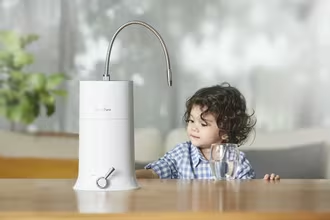
As far as health and wellness devices go, you may also want to consider the HomePure Nova 9-stage water filtration system, designed to remove 99.9999% of bacteria, viruses and harmful chemicals from your drinking water. There is also the Amezcua Bio Disc 3, which can help keep fruits and vegetables fresher for longer. Simply place the disc on a shelf in your fridge, near your fresh produce.
3. Create a Healthier Indoor Environment

Rainy days also mean spending more time indoors, where increased humidity can allow allergens and airborne pollutants to build up. This can trigger allergies and exacerbate respiratory conditions like asthma and bronchitis.
The solution is to keep your environment healthier by:
- Opening doors and windows to improve ventilation
- Cleaning areas which are prone to mould
- Limiting the use of aerosols and chemical cleaning products, which can accumulate indoors
Also consider using an air purification system like the HomePure Zayn, which is portable, dynamic, and is certified to eliminate 99.8% of airborne particles and 99.94% of viruses, including SARS-CoV-2 (Omicron). It can even get rid of unpleasant odours, gases and vapours.
4. Practise Good Personal Hygiene
Excess moisture in the air can also hurt your skin in several ways. For instance, too much humidity can make skin sweaty, and trigger rashes, itching and fungal infections. It can also mean clogged pores, chapped lips, and slow healing of cuts and bites. Proper hygiene and maintaining a regular skincare routine can, however, help a tonne.
Some habits to make part of your daily routine include:
- Washing hands often, especially before handling food
- Showering regularly, particularly after getting drenched
- Changing out of wet clothes as soon as possible
As such, consider something like the Physio Radiance 6-Step Skincare Collection — which incorporates a gentle cleanser, firming and lifting serum, boosting essence, eye cream and light moisturisers — to nourish and revitalise skin. For sanitising hands and soothing breakouts, proper handwashing with soap and water is key to eliminating most types of germs. Still, for extra protection, you may want to turn to an advanced sanitiser like BioSilver 22 Gel, which has antibacterial, antiviral and antifungal properties, and can also be used to clean high-touch surfaces and even help soothe skin irritations and breakouts.
5. Stay Active and Rest Well
Overcast skies and diminished natural light during the rainy season don’t just feel gloomy; they can also disrupt your body’s sleep cycle by encouraging the production of the sleep hormone melatonin while reducing serotonin, which helps regulate mood. This can make you feel lethargic and drained.
Some ways to minimise these effects include:
- Staying active with simple indoor exercises
- Getting approximately seven hours of sleep a night
- Taking regular breaks to recharge energy levels
The Amezcua Chi Pendant 4, a stylish, unisex pendant that works to harmonise and balance your body’s energy field, can also help here. You may also wish to opt for Harmoniq Snooze, a non-invasive bio-signalling patch designed to support natural rest and promote restorative sleep.
6. Plan a Sunny Getaway
Finally, if the damp is really getting you down, it may be time to consider a change of scenery. Sure, you may not be able to take a long, sun-kissed, beachside holiday right away. But even a quick, budget-friendly staycation can help break the monotony and rejuvenate your spirits.
QNET’s travel platform, QVI, offers a host of flexible and affordable getaways for just this purpose. Best of all, you have the option to take a short trip today, split your stay over time, or plan and book a future holiday.
Stay Healthy Rain or Shine

Yes, the monsoon does increase the risk of illness. But that doesn’t have to keep you from staying healthy and happy. Indeed, the rainy season might just serve as the perfect reminder that good health begins with smart everyday habits.
This article was originally published on 20 June 2025 and has been updated for relevance.